
6 Surprising Costs of Owning a Hoarder House in New Jersey (and How to Sell Fast)
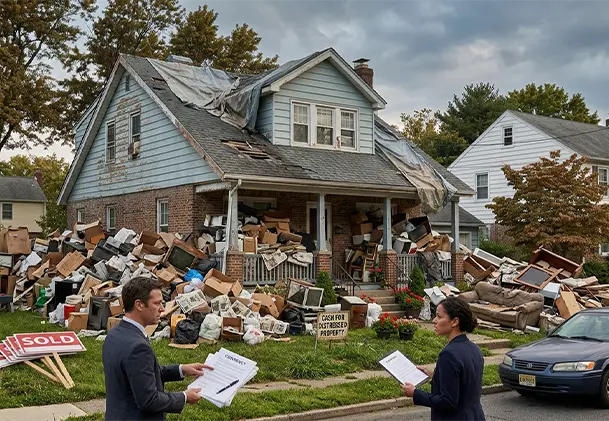
Owning a hoarder house in New Jersey usually means dealing with complex cleanup costs, health hazards, hidden structural damage, municipal code violations, and emotional pressure, which can be resolved either by investing heavily in professional restoration or selling the property completely as-is to a cash buyer.
Recently, a homeowner came to us with an inherited hoarder house in New Jersey that had active local code concerns and mounting stress. The family did not want to spend thousands on cleanout, repairs, and inspections before selling. We helped them move forward by purchasing the property as-is, allowing them to avoid the cleanup process and close quickly within 7 days.
In this guide, we’ll explain the surprising realities of owning a hoarder house in New Jersey, including cleanup costs, health risks, structural concerns, legal considerations, and when selling as-is may be the simpler option.
Get Your Free Cash Offer Now!
Fill out this form to get your no-obligation all cash offer started!
Hoarder House Cost and Risk Comparison in New Jersey
Issue: Why It Matters, Possible Cost / Risk, Common Option
Professional Cleanout: Hoarder homes often require sorting, junk removal, sanitation, and disposal. Hoarding cleanup typically ranges from $1,000 to $4,000, but severe cases can cost more depending on the size and condition. Hire a cleanup crew or sell as-is
Mould and Moisture: Trapped moisture can lead to mould growth and affect indoor air quality. EPA notes that mould control starts with moisture control, and that contaminated materials may need to be removed. Remediate or disclose/sell as-is
Rodents and Biohazards: Rodent droppings, urine, and nesting materials
can pose health risks during cleanup. CDC recommends protective measures and warns against vacuuming or sweeping rodent waste, as it can spread contaminated particles into the air. Use trained cleanup help
Code Violations: Unsafe or poorly maintained properties may attract local inspection problems. NJ DCA notes housing inspections are intended to protect health, safety, welfare, and code compliance for covered properties. Fix violations or sell to an experienced buyer
As-Is Sale Issues: Selling as-is does not always eliminate disclosure responsibilities. NJ real estate sellers may still need to disclose known material latent defects. Work with the buyer/title/attorney.
1. What to Do with a Hoarder House in New Jersey to Protect Your Investment?
To protect your investment when dealing with a hoarder house in New Jersey, start by securing the property, checking for obvious safety hazards, and deciding whether it makes financial sense to clean and repair the home or sell it in its current as-is condition.
For most homeowners, the decision comes down to two paths:
- The Restoration Route: You hire professional cleanup crews, remove debris, address mould or biohazards, repair damaged areas, and prepare the property for a traditional listing. This route can work if the home still has strong resale potential and you have the time, budget, and energy to manage the process.
- The Direct Sale Route: You avoid the cleanup, repairs, showings, and delays by selling the home directly to a cash buyer who specialises in distressed properties in New Jersey.
Many families quickly realise that a hoarder’s house is not just a real estate problem. It is also a financial and emotional burden. If you choose the restoration route, you may need to coordinate junk removal, sanitation, contractors, local inspections, and waste disposal. In older or densely populated NJ areas like Jersey City, Newark, Paterson, and Elizabeth, tight access, parking limitations, and multi-story layouts can make the work even more difficult.
2. How Much Does a Professional Hoarder House Cleanout Before Selling NJ Properties Actually Cost?
The cost to clean out a hoarder’s house in New Jersey can vary widely based on the home’s size and level of accumulation. Still, standard professional cleaning services generally range from $1,000 to $10,000+, depending on the severity.
Understanding the budget before you begin is important to avoid financial surprises:
- Professional Cleaning Services: Hoarder houses in NJ often need more than basic house cleaning. Crews may need to sort through belongings, remove trash, sanitise rooms, clean odours, and handle areas affected by pests or biohazards. In places like Jersey City, Newark, or Elizabeth, narrow stairways, row homes, apartments, or limited dumpster access can increase labour time. (Estimated Cost: $1,000 – $10,000+)
- Waste Removal and Landfill Fees: From shore towns like Toms River to older neighbourhoods in Trenton or Princeton, hauling away years of clutter can require dumpsters, junk removal trucks, landfill fees, and multiple disposal loads. (Estimated Cost: $500 – $5,000+)
- Specialised Cleanup or Biohazard Work: If the property contains animal waste, mould, spoiled food, needles, sewage, or heavy contamination, cleanup may require trained professionals and protective equipment. HomeGuide notes that biohazard cleanup can be very costly depending on the situation.
The overall cost to clean out a hoarder’s house in New Jersey can rise quickly if workers uncover hidden damage, unsafe flooring, pest nests, water damage, or materials that require special handling.
3. What Hidden Structural Damage Is Common in a Hoarder House in New Jersey?
A hoarder’s house in New Jersey often suffers from severe structural damage hidden beneath clutter, including warped subfloors from excessive weight, cracked load-bearing walls, compromised foundations, and extensive wood rot caused by trapped moisture.
Heavy clutter can block airflow, trap moisture, and hide leaks for years. The EPA explains that indoor mould growth is usually controlled by managing moisture, which is why long-term dampness in a cluttered property can become a serious concern.
- Weight and Moisture Damage: In older NJ homes, especially pre-war houses or properties with ageing flooring, excessive stored items may strain floors and exacerbate existing weaknesses. Moisture trapped under boxes, furniture, clothing, or paper can also lead to odours, mould, and rot.
- Pest Infestations: Rodents, insects, and other pests often hide behind clutter, inside walls, or under piles of stored items. CDC guidance explains that rodent urine, droppings, and nesting materials should be cleaned carefully, as improper cleanup can spread contaminated particles into the air.
When heavy items remain stacked against walls for years, moisture and pests can go unnoticed. By the time the clutter is removed, the structural damage may be much larger and more expensive to repair than expected.
4. What are the Primary Hoarder House Health Hazards New Jersey Homeowners Must Face?
The primary health hazards New Jersey homeowners face include toxic mould growth, poor indoor air quality, airborne pest droppings, dangerous animal waste, structural collapse risks, and blocked emergency exit pathways.
Mould is one of the biggest concerns. The EPA states that standing water and wet materials can become breeding grounds for microorganisms such as bacteria and mould, which may trigger allergic reactions and continue to damage materials if not addressed.
- Mould and Mildew Growth: New Jersey’s humid summers, wet basements, older roofs, and cold winters can make hoarder homes vulnerable to mould. Basements in Newark, crawl spaces in Montclair, attics in older homes, and shore-area properties may all be affected if moisture has been trapped for a long time.
- Biohazards and Animal Waste: Rotten food, animal waste, dead rodents, insects, and contaminated belongings can make cleanup unsafe. The CDC recommends wearing protective gloves, using disinfectant, and avoiding sweeping or vacuuming rodent droppings before proper wet disinfection.
- Fire and Exit Hazards: Hoarded items can block doors, windows, stairs, hallways, and utility access. This can make the home dangerous for occupants, emergency responders, inspectors, and cleanup workers.
Because of the severe health hazards in hoarder houses, New Jersey public health departments advise homeowners to be careful about entering a hoarder house without proper protection.
What homeowners say about working with us.
Verified reviews from real New Jersey homeowners we’ve worked with — across every situation, from inherited homes to pre-foreclosure to divorce sales.
★★★★★
These guys are the best!
Sam and the team are awesome to work with! It does not matter the situation they go above and beyond to help. I would highly recommend We Buy NJ Real Estate for your real estate needs. These guys are the best!!

Elton Jean-Baptiste
★★★★★
Great company, Good People!
Working with James and Sam was a great experience. This company really cares about the people they help. I would recommend them to any one looking to sell a house.

Denise T. — NJ
★★★★★
Do not hesitate working with Sam and his team.
Do not hesitate working with Sam and his team. Easy, efficient, professional and most important, good honest people. Highly recommended

Harold
5. Can Municipal Fines Lead to a Condemned Hoarder House in NJ?
Yes, extreme hoarder houses in New Jersey can face rapid municipal code enforcement actions, compounding fines, and official condemnation if the local health department or structural inspectors declare the property unfit for human habitation.
For multi-family housing, the New Jersey Department of Community Affairs (DCA) explains that inspections help ensure covered buildings are properly maintained and do not threaten the health, safety, and welfare of residents or the community. For single-family homes, local municipal code enforcement and health departments often handle unsafe property concerns.
- Code Violations: A hoarder property may fail inspection if it has blocked exits, pest infestations, unsafe stairs, sanitation problems, exposed wiring, structural damage, or hazardous living conditions. (Estimated Cost: $500 – $3,000+ in fines, fees, or related compliance costs, depending on the municipality)
- Condemnation Risks: A property may be considered unsafe if it has severe structural failure, widespread contamination, fire hazards, a lack of basic utilities, or conditions that make occupancy dangerous.
Once a property is labelled unsafe or unfit, the owner may not be able to live in it, rent it, or perform normal work inside without approval from the proper local authority. This is why acting early is important.
6. Can You Sell a Hoarder House Without Cleaning It in NJ to Save Money?
Yes, you can legally sell a hoarder house in NJ without cleaning it by bypassing traditional buyers and selling directly to an off-market cash real estate investor who purchases homes in their current as-is condition.
If you are wondering whether you can sell a hoarder house without cleaning it in NJ, an as-is cash sale may offer several advantages:
- Zero Upfront Cleanup Cost: You may not need to pay for junk removal, dumpsters, mould remediation, or deep cleaning before selling.
- No Major Repairs Before Closing: You can avoid hiring contractors for plumbing leaks, roof damage, broken windows, damaged flooring, or foundation concerns.
- Leave Unwanted Items Behind: In many as-is cash sale situations, you can remove only the personal or sentimental items you want and leave the remaining clutter behind for the buyer to handle.
- Faster and Less Stressful Process: Instead of spending weeks or months preparing the property for showings, you may be able to close on a timeline that works better for your family.
However, selling as-is does not always eliminate all responsibilities. Known material defects, code violations, liens, or title issues may still need to be addressed at closing. A New Jersey real estate attorney notes that selling “as-is” does not automatically remove the seller’s duty to disclose known material latent defects. This option remains especially helpful for inherited hoarder houses, estate properties, out-of-state owners, and homeowners who do not have the time or money to manage a full cleanout.
7. How Can You Navigate the Emotional and Financial Strain of an Inherited Hoarder House in New Jersey?
The best way to navigate the emotional and financial strain of an inherited hoarder house in New Jersey is to separate your personal memories from the property’s physical burden and choose a fast, practical, direct-sale option.
Managing a hoarder’s house after a loved one passes away is rarely simple. Families often feel guilt, stress, sadness, and pressure at the same time.
- Mitigating the Emotional Strain: Cleaning out a hoarder’s home can be painful, especially when every room contains personal belongings. Sorting through years of items may delay closure and create conflict among family members. For many NJ homeowners, selling directly allows them to avoid the most overwhelming parts of the process.
- Stopping the Financial Burden: The longer the home sits, the more costs can build up. You may face taxes, insurance, maintenance, utilities, pest control, code concerns, cleanup quotes, and ongoing repairs. If the home is visibly distressed, traditional buyers may also struggle to secure financing or demand major price reductions after an inspection.
By choosing how to sell a hoarder house in NJ as is, you can reduce holding costs, avoid cleanup expenses, and remove the stress of managing a property you no longer want.
How We Buy NJ Real Estate, LLC Can Help with Your Hoarder House?
At We Buy NJ Real Estate, LLC, we specialise in buying New Jersey hoarder houses as-is. Whether the property is in Newark, Trenton, Jersey City, Paterson, Ewing, Westfield, Summit, Union City, or another NJ community, we can help you understand your options. You do not need to clean the house, make repairs, remove all belongings, or prepare the property for showings before contacting us.
Why NJ Homeowners Choose Us?
- Quick and Fair Offers: Get a no-obligation cash offer without waiting months for a traditional buyer.
- No Cleanup Required: Take what matters to you and leave the rest behind. We handle the cleanout after closing.
- Fast Closings: Close in as little as 7 days when possible, with no real estate agents, no open houses, and no costly commissions.
- Local Distressed Property Experience: We understand inherited houses, hoarder properties, code issues, and as-is sales throughout New Jersey.
Owning a hoarder house in New Jersey can mean steep cleanup bills, hidden structural damage, health hazards, emotional stress, and possible municipal problems. Instead of pouring time and money into a property you do not want, you can sell it as-is and move forward.
If you’re dealing with a distressed property, you do not have to handle the overwhelming cleanup, costly repairs, or the frustrating code-violation process alone. Every month you hold onto the property can mean more expenses, more stress, and more uncertainty. You can skip the cleanout, avoid costly renovations, and forget about agent commissions or months of waiting. Call We Buy NJ Real Estate, LLC today at (908) 320-7995 to get your no-obligation cash offer and avoid the stress, cost, and hassle of a traditional sale.
FREQUENTLY ASKED QUESTIONS
Can you sell a hoarder house as-is in New Jersey?
Yes, many New Jersey homeowners can sell a hoarder house as-is, especially to a cash buyer who accepts distressed properties. However, known defects, liens, code violations, or title issues may still need to be disclosed or reviewed during closing.
How much does a hoarder house cleanup cost in NJ?
Hoarder house cleanup costs vary based on size, clutter level, contamination, access, and disposal needs.
Do I need to remove everything before selling a hoarder’s house?
Not always. If you sell to a traditional buyer, you may need to remove clutter first. But if you sell to an as-is cash buyer, you may be able to leave unwanted belongings, furniture, trash, and debris behind.
Can code violations stop a hoarder’s house sale in New Jersey?
Code violations can delay or complicate a sale, but they do not always stop it. Some buyers, especially experienced cash buyers, may purchase properties with open violations and handle the issues after closing.
Is mould common in hoarder houses?
Yes, mould is common when clutter traps moisture or hides leaks. The EPA explains that controlling moisture is key to controlling mould growth indoors.
Are rodent droppings dangerous in a hoarder’s house?
Rodent droppings can be hazardous if cleaned incorrectly. The CDC warns against sweeping or vacuuming rodent urine, droppings, or nesting materials because contaminated particles can become airborne.
Is it better to clean out a hoarder’s house or sell it as-is?
It depends on your budget, timeline, property condition, and emotional capacity. If the home has minor clutter and a strong market value, cleaning may help. If the house has severe clutter, mould, pests, repairs, or code issues, selling as-is may save time and money.
Get Your No-Obligation Cash Offer
Fill out this form to get your no-obligation all cash offer started!